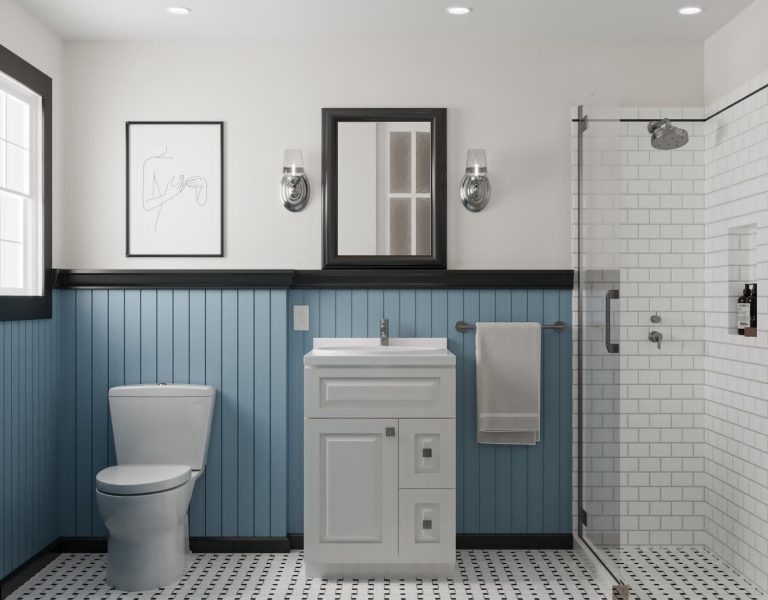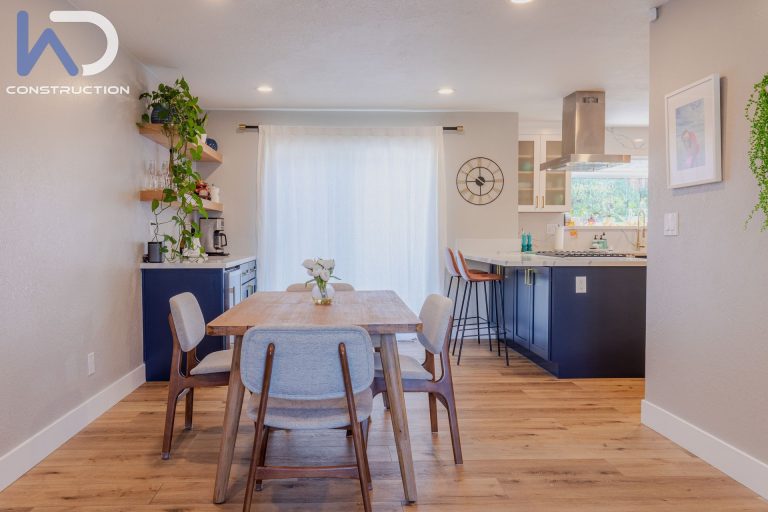





We Do Construction did a masterful job on my bathroom renovation. They have a team of talented and professional contractors and I highly recommend them. Special thanks to Jacob, Israel and Saul.
kimmelron
I completed a full renovation with We Do Construction, Jacob was great !!
He handled everything from demolition to the final touches with professionalism and care.
The workmanship is top quality, price was fair and the crew was so PROFESSIONAL and clean.
Would definitely use again for future projects!!
Monroe N.
I recently hired We Do Construction for a bathroom remodeling project, and I couldn’t be happier with the results! From start to finish, the experience was absolutely amazing. Israel, the project manager, was incredibly professional, responsive, and attentive to every detail. He truly took care of everything — from coordinating the trades to managing the schedule and making sure the quality of work was top-notch.
Lisa Nystrom 
We recently completed a kitchen remodel with We Do Construction after interviewing multiple contractors, and it was a fantastic experience. Jacob made a strong professional impression from the initial consultation, arriving full of energy and outlining every single step with expected timelines right on the spot! The entire team was punctual, respectful of our home, and handled any surprise throughout the project smoothly with open communication. Their commitment to keeping a clean work environment was particularly impressive. The final finishes of the home renovation are outstanding, showcasing exactly what we envisioned. We highly recommend We Do Construction for their professionalism, the dedication of their team, and especially the excellent service provided by Jacob.
Willy Huang
We had our entire home in Sea Cliff completely remodeled By Jacob .
The work turned out fantastic, and the quality and craftsmanship really show in every detail.
We always felt informed and involved, which was important to us since this was our first time remodeling a home.
The team was always patient and happy to guide us through each step of the process.
If you want high-quality results with a professional team, I highly recommend their services.
Nir S.
I had a great experience working with We Do Construction. Jacob and the team were awesome from start to finish. The project manager was super organized, kept everything on track, and made sure I was in the loop the whole time. They got the job done quickly without cutting corners, which I really appreciated. It’s not always easy to find a crew that’s reliable and efficient, but these guys delivered. Would definitely work with them again!
Sara Siverman
I hired We Do Construction in August of 2024 because I needed to remodel a few rooms in my business in San Francisco. I felt that the restrooms and showers look dated it needed a refresh. I meet with Jacob Bachar who was very friendly and up beat. A few days later we discussed the best way to approach my remodel. His company was very efficient and quick to deliver drafts of the proposed plans for the project. We Do Construction's team was very respectful, efficient and organized. His site supervisor Yoni communicated with me daily on the progress. I can't get enough compliments on how great the new showers and restrooms look from my customers. I am very happy with their work and how they treated me as a customer.
Lauro Doroliat
We hired We Do Construction for a full renovation project in San Francisco.
Their crew was prompt , friendly and very professional. Always clean the area and so respectful.
Ask for Jacob and Yoni , they are the best !!
Karla C.
Jacob and his team at We Do Construction Inc exceeded all our expectations with our bathroom remodel! From start to finish, they were incredibly professional, detail-oriented, and respectful of our home, keeping everything clean and organized every step of the way. Jacob was always communicative and made sure we were involved in every decision, which made the process stress-free. The craftsmanship and attention to detail are truly outstanding, and we couldn’t be happier with the final result. If you’re looking for a reliable and talented team, we highly recommend We Do Construction Inc!
Ilia Baranov
I used We Do Construction for a full home renovation here in the city, new bathroom, new flooring, all new electrical, and a bunch of millwork too. These guys knocked it out of the park. Orie was great to work with, super polite and respectful the whole way through, and just a good guy overall. The work came out awesome, price was fair, and they really cared about doing things right. I’m honestly really happy with how everything turned out and I’ll definetly be using them again.
Zac Meyers
Jacob and his team completed a full remodel of our home is Sea Cliff, and it was excellent experience. The crew was professional, personable and clean.
The results exceeded expectations. I would highly recommend Jacob for any remodeling project big or small
Mya L.
Jacob and team did an outstanding job at our house. My mother needed new bathrooms urgently, as well as repair to walls and restaining of the hallway floor given an acute problem from flooding. In all ways, the team, led by Yoni, was highly professional, worked quickly, reliably, and at the highest level. Given my mother's situation, we needed to start quickly and the team did just that. We are all so grateful for their work and for working as quickly as they could. The end product was fantastic! They also worked with the county to facilitate the permit and inspection process, and that all went really smoothly. The group was so very easy to work with. I recommend We Do Construction at the highest level. THANK YOU JACOB!
Laurence Katznelson
Jacob and his team at We Do Construction Inc exceeded all our expectations with our bathroom remodel! From start to finish, they were incredibly professional, detail-oriented, and respectful of our home, keeping everything clean and organized every step of the way. Jacob was always communicative and made sure we were involved in every decision, which made the process stress-free. The craftsmanship and attention to detail are truly outstanding, and we couldn’t be happier with the final result. If you’re looking for a reliable and talented team, we highly recommend We Do Construction Inc!
Ilia Baranov
Thanks guys for the recent experience with We Do Construction!
Yoni, Jacob and the crew are super PROFESSIONAL!!
We are amazed by the speedy progress and professionalism.
Will recommend to friends for sure
Carla P.
We Do Construction completely transformed my home. They took care of everything from the bathroom and floors to the electrical work and custom wood details, and the end result looks incredible. Orie was organized, responsive, and genuinely cared about the quality of the project. The team stayed on schedule, the pricing was reasonable, and the workmanship speaks for itself. I’d recommend them to anyone who wants their renovation done right.
Cole Meyers
we had great experience with we do construction. We recently hire them for the renovation of our kitchen. Jacob and his crew were professional and punctual .they complete there task with in due date. thank you we do construction
Finley
I can't say enough good things about Jacob and his great crew from We Do Construction.
He took the time to understand what we wanted and turned our ideas into something even better than we imagined.
His attention to every detail showed throughout the process.
The final results of the room addition are absolutely stunning!!
Taylor M.
We Do Construction did an incredible job with our bathroom remodel. Israel and Michaela were a breeze to work with and I could tell they really cared about doing quality work. We Do Construction were upfront with everything right from the beginning and made sure we were happy every step of the way.
If you have the opportunity to work with We Do Construction I highly recommend it. You won't regret it!
Alex Andresen
Jacob and his team were great! We had an exterior support project that needed immediate attention. I reached out to many different companies, and We Do Construction was by far the most responsive and helpful. They offered a fair price and squeezed us in right away given the urgency of the project. The team was professional and left the worksite better than they found it, after doing a great job on the structural repair. Jacob is also a great communicator, which is a huge plus since I don't have time or energy to chase after contractors. Highly recommend We Do Construction, Jacob, and his team!
Joe
We were in a pickle. Water damage was corroding our shower and getting worse everyday. Our beloved friends who were living in our condo, had to move out for over a month to accomplish this repair and remodel. Jacob & Yoni made a miracle happen. It came out better than we could have hoped. Permits had to be secured and signed off on, and somehow they pulled off this miracle we couldn't be more pleased. It's not easy getting this kind of work done in the city upstairs and parking issues and old buildings with lots of charm are so challenging, but they did it. Their team was outstanding here are the before and after.
Thank you to Jacob, Juliana & Yoni
Julia A.
The We Do Construction team are incredible! They are communicative, gracious, and did great work that was delivered on time. We are thankful for their help with our master bathroom, it turned out great!
Shirley Lin
The entire experience with Jacob and We Do Construction was amazing.
All of his crews were professional and delivered great results. We had only positive experiences with our patio, backyard, kitchen and ADU projects.
Jacob was always available for any questions we had , really good at communicating with us.
Great attention to details.
We would certainly consider working with him again for any future projects!
Lauren Esparza
We had a great experience with We Do Construction from start to finish. Jacob was straightforward and professional throughout the process, Aviad did an excellent job managing the project and keeping communication clear, and Rigo’s workmanship was outstanding. The project stayed on schedule, the work was high quality, and any issues that came up were handled quickly and thoughtfully. We’re really happy with the final result and would absolutely recommend them.
Paul Gallaher